


The 6 Best Carbon Plate Running Shoes of 2026
Written by Lauren Haislip
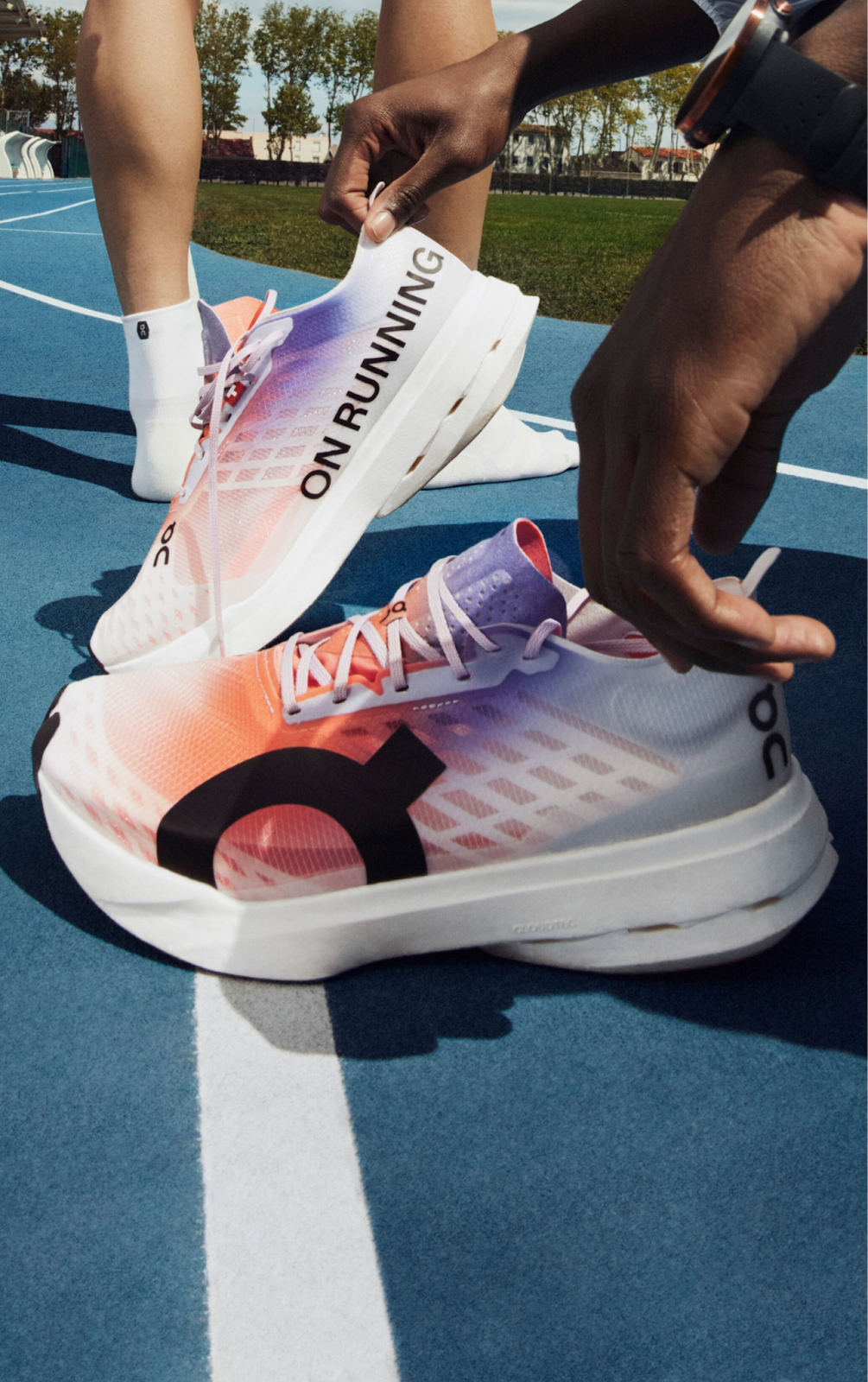
Carbon plate shoes used to be the kind of gear you saw only on the feet of people who got paid to run fast. Now? You can walk into a store on a random Tuesday, try on six of them, and leave in the pair that changes your next race. The 2026 lineup is the best it's ever been, and that's a sentence I've been able to say every year for a while now, which tells you something about where the technology is headed.
We sell these shoes at PR Run & Walk every day of the week. We hear what's clicking, what's rubbing people the wrong way (literally sometimes), and what's actually moving the needle on race times. This guide is built from that on-the-floor knowledge, updated for the specific models sitting on our shelves right now.
Not sure which shoe matches your stride?
PR Run & Walk offers free gait analysis at all locations. Our team will fit you to the right carbon shoe based on how you actually run, not just which colorway looks good. Find a running store near you →
What Are Carbon Plate Running Shoes?
Picture two things working as a team: a stiff carbon fiber plate embedded inside a midsole made from seriously advanced foam, usually PEBA, ZoomX, or PWRRUN PB. The plate is a lever. Your foot presses it down at landing, it stores that energy like a compressed spring, then it fires back at push-off and flings you forward. The foam around it amplifies everything, adding a bounce that a regular training shoe genuinely can't produce.
The net result: you cover ground faster, you stay mechanically tidy when your legs are running on empty, and your muscles take less of a beating over long distances. Research shows elite models can bump your running economy by up to 4.2%, which is a big deal in a sport where people fight over single seconds. I tend to describe it to customers as the closest thing to a legal performance advantage the sport currently allows.
Here's what carbon plate running shoes actually do for you:
-
Improved running economy: your shoe returns measurable energy with every stride, the way a good mattress springs back the moment you shift your weight, so you're working less to move the same distance.
-
Reduced calf and quad fatigue: the plate intercepts and redirects a chunk of the force that would otherwise land directly on your lower-leg muscles, which means that heavy-legged feeling shows up later than you'd expect.
-
Smoother heel-to-toe transitions: the rocker geometry built into these shoes guides each footstrike through a natural arc, so you're rolling forward rather than hammering down and stopping.
-
Better form in the final miles: when your brain has basically checked out and your legs are running on spite, the shoe keeps your mechanics from completely falling apart.
They don't all feel the same, though. Some ride high and pillowy. Others sit low and firm like a road bike versus a mountain bike. Finding the right one for your stride is the whole game, and that's where we come in.
The 6 Best Carbon Plate Running Shoes of 2026

1. Saucony Endorphin Pro 5
|
Price |
$240.00 |
Drop |
8mm |
|
Foam |
PWRRUN PB (nitrogen-infused) |
Weight |
~7.2 oz (M9) |
|
Best For |
Runners chasing a PR who also want their toes to survive the attempt |
||
Why We Love It:
Let's start with the obvious: the Endorphin Pro 5 is quick. Like, genuinely quick. But the part that catches people off guard is how normal it feels on the foot. Saucony stuffed it with PWRRUN PB foam, a nitrogen-infused formula that's lighter and livelier than the previous version. The difference is immediate. Land on it once and there's this satisfying, springy rebound under your heel, like the shoe is nudging you forward before you even have to think about it.
The full-length carbon plate gives every push-off a crisp little snap, and the rocker geometry rolls you through each step so naturally that by mile 18 you basically forget you're running. The updated upper holds your midfoot snugly without doing that uncomfortable vice-grip thing (you know the one), and the toe box stays true to Saucony's roomy fit. Your pinky toe gets to breathe. Relief.
Why It Stands Out:
It's genuinely hard to find a carbon shoe that pulls off fast and comfortable at the same time. Most choose one. The Endorphin Pro 5 picked both. I've stood in the store and watched customers go quiet the moment they walk in these. No words. Just a slow nod. That's the whole review right there.
Shop Women's Saucony Endorphin Pro 5 →
Shop Men's Saucony Endorphin Pro 5 →

2. Nike Alphafly 3
|
Price |
$295.00 to $320.00 |
Drop |
8mm |
|
Foam |
ZoomX with Air Zoom pods |
Weight |
~7.2 oz (M9) |
|
Best For |
Serious racers with a goal time written on their hand in Sharpie |
||
Why We Love It:
The Alphafly 3 exists because Nike apparently told their engineers: sleep is optional, make it faster. The result is a shoe with two layers doing two separate jobs. ZoomX foam handles the plush, cloud-like cushioning underneath, and two Air Zoom pods sit right under your forefoot delivering a pop that's honestly a little startling the first time. It doesn't feel like running so much as the road politely declining to slow you down.
Nike reworked the upper so it grips your foot without cutting off circulation (the earlier versions had a wobble to them laterally, yeah, they fixed it), and the whole geometry feels tighter and more dialed-in. Mile 24, running on fumes and stubbornness? This shoe keeps showing up. It's the one you reach for when you've got a number in your head and zero patience for anything that isn't going to help you hit it.
Why It Stands Out:
The Alphafly 3 is for runners who are done experimenting and want a known quantity: ruthless propulsion, secure hold, and an Air Zoom system that pure-foam shoes genuinely can't touch. Think of it like the difference between a regular espresso and a double shot pulled through a pressurized portafilter. Same basic idea. Completely different outcome.
Shop Women's Nike Alphafly 3 →

3. Adidas Adizero Adios Pro 4
|
Price |
$250.00 |
Drop |
6mm |
|
Foam |
LIGHTSTRIKE PRO |
Weight |
~6.9 oz (M9) |
|
Best For |
Runners who want elite-tier speed without handing over their grocery budget |
||
Why We Love It:
Adidas has always had a knack for making fast shoes that don't bankrupt you, and the Adios Pro 4 keeps that streak alive. Pop the midsole open in your mind and you'll find five carbon-infused EnergyRods 2.0 arranged to mimic the metatarsal bones of your actual foot, which sounds vaguely science-fictional but translates to a push-off that feels weirdly natural. Almost organic. LIGHTSTRIKE PRO foam surrounds everything in a package that's light, responsive, and tough enough that earlier-generation owners have clocked some serious race mileage without watching the outsole disintegrate.
This generation trims a little extra weight off the CELERMESH upper and dials in the toe spring for a crisper, more aggressive roll-through. On a hot race day, the improved breathability is the kind of small upgrade you don't think about until suddenly you're grateful for it at mile 20.
Why It Stands Out:
Two hundred and fifty dollars. That's the headline. The Adios Pro 4 lines up next to shoes costing $30 to $50 more and doesn't blink. It holds its ground stride for stride. If you've been waiting for permission to get into carbon shoes without the premium sticker shock, here it is.
Shop Women's Adidas Adizero Adios Pro 4 →
Shop Men's Adidas Adizero Adios Pro 4 →

4. ASICS Metaspeed Edge Tokyo
|
Price |
$270.00 |
Drop |
5mm |
|
Foam |
FF Leap + FF Turbo+ |
Weight |
~5.9 oz (M9) |
|
Best For |
Powerful stride-length runners who cover ground through force, not just foot speed |
||
Why We Love It:
Here's what ASICS did that almost no other brand bothers to do: they made two completely different shoes for two completely different runners. The ASICS Metaspeed Edge Tokyo is built for cadence runners, the ones who spin their legs fast like a drummer with a double kick pedal. The Metaspeed Sky Tokyo is built for stride-length runners, the ones who generate speed through long, powerful pushes. Big strides. Ground-eating steps. If you've ever been told you run like a gazelle (meant as a compliment), the Sky is your shoe.
The lower profile and more aggressive geometry of the Edge reward that quick, high-turnover footstrike with a snappy transition that feels almost like a slingshot release. The dual layer of FF Leap and FF Turbo+ foam keeps things lively and connected underfoot, so you can feel the road without feeling punished by it. That road-feel matters when you’re tracking your splits by sensation and maintaining a rapid-fire rhythm.
Why It Stands Out:
The Metaspeed Edge Tokyo is a specialist, full stop. Pick it for the right stride type and it unlocks a level of efficiency that a catch-all super shoe can't touch. ASICS actually thought about your gait before building the shoe. That's rarer than it should be, and it's the reason this one earns its spot on the list.
Shop Unisex ASICS Metaspeed Edge Tokyo →

5. HOKA Cielo X1 3.0
|
Price |
$275.00 |
Drop |
7mm |
|
Foam |
HOKA PEBA-based |
Weight |
~7.5 oz (M9) |
|
Best For |
Runners who want a carbon plate under their foot and a cloud around it at the same time |
||
Why We Love It:
HOKA's whole identity is built on shoes that are softer and taller than anything else on the rack, and a lot of people assumed that couldn't coexist with carbon-plate performance. The Cielo X1 3.0 proves them wrong. The thick PEBA-based foam stack absorbs road shock in a way that genuinely protects your legs over long efforts, like wearing gel pads on a tile floor for six hours, you don't realize how much it was helping until you take them off. The embedded carbon plate handles propulsion so the shoe still moves with purpose despite all that cushioning.
The rocker geometry does its job quietly in the background, guiding each step from landing to push-off without fanfare. I've had half-marathon runners tell me they switched to this shoe mid-training cycle and hit mile 10 feeling delight, actual surprise-level delight, at how fresh their legs still felt. That's the Cielo X1 3.0 doing its thing.
Why It Stands Out:
If regular super shoes have been leaving your legs wrecked after long training runs, this one's the answer. It's cushioned enough for the heavy-mileage weeks and fast enough for the race itself. You don't have to choose between recovery-friendly and race-ready. Why should you have to?
Shop Unisex HOKA Cielo X1 3.0 →

6. New Balance FuelCell SuperComp Trainer v3
|
Price |
$189.99 |
Drop |
6mm |
|
Foam |
FuelCell (nitrogen-infused) |
Weight |
~9.8 oz (M9) |
|
Best For |
Runners ready to quietly rebel against the 'save it for race day' rule |
||
Why We Love It:
Conventional running wisdom says you don't train in your race shoes. Carbon plates are fragile, precious things saved for special occasions, like your fancy dinner plates gathering dust in a cabinet. The SuperComp Trainer v3 says: nope. New Balance footwear is engineered specifically for daily training miles, adding extra rubber outsole coverage in the zones that take the most punishment so the shoe actually holds together through real-world use. It's built to be used.
The Energy Arc carbon plate gives you that snappy, propulsive plate-feel you get in a pure racer, and FuelCell foam keeps the ride bouncy and energetic whether you're crawling through an easy recovery shuffle or grinding through a hard tempo. One shoe, multiple jobs, zero guilt about lacing it up on a random Wednesday.
Why It Stands Out:
Race day is a lot less weird when you've been training in the same geometry for months. The SuperComp Trainer v3 means your feet already know what to expect when the gun goes off, like showing up to a test you've studied for rather than one you just heard about this morning. At $189.99, it's the friendliest price tag on this entire list, and it earns that spot honestly.
Shop Women's New Balance FuelCell SuperComp Trainer v3 →
Shop Men's New Balance FuelCell SuperComp Trainer v3 →
Quick Comparison: All 6 Shoes at a Glance
Sometimes you just want the numbers in a grid without another 200 words wrapped around them. Fair. Here it is:
|
Shoe |
Price |
Best For |
Foam |
Drop |
|---|---|---|---|---|
|
Saucony Endorphin Pro 5 |
$295 |
Speed with a toe box you'll actually enjoy |
PWRRUN PB |
8mm |
|
Nike Alphafly 3 |
$285-295 |
PR hunting, full send |
ZoomX + Air Zoom |
8mm |
|
Adidas Adizero Adios Pro 4 |
$250 |
Elite feel, real-world price tag |
LIGHTSTRIKE PRO |
8.5mm |
|
ASICS Metaspeed Edge Tokyo |
$270 |
Big, powerful strides |
FF Turbo+ |
5mm |
|
HOKA Cielo X1 3.0 |
$275 |
Cloud-soft cushion meets carbon plate |
PEBA-based |
5mm |
|
NB SuperComp Trainer v3 |
$189.99 |
Train in it. Actually. |
FuelCell |
8mm |
Which Carbon Plate Shoe Is Right for You?
Three things narrow it down: what race you're training for, how your stride actually works, and whether you want a ride that bites back or one that absorbs everything quietly. There's no single right answer here, which is exactly why we do gait analysis instead of just handing you the most popular SKU and sending you on your way.
For race-day PR chasers:
The Nike Alphafly 3 and Saucony Endorphin Pro 5 are your two best bets. Both are built to go fast. One has Air Zoom pods that feel like a small, helpful explosion under your forefoot. The other has a toe box that won't make you hate your feet at mile 20.
For stride-length runners:
The ASICS Metaspeed Edge Tokyo was designed from the ground up for powerful, longer footstrikes. It's a precision instrument, not a general-purpose shoe, and it's exceptional in the right hands.
For cushion-first runners:
The HOKA Cielo X1 3.0 wraps carbon-plate efficiency in HOKA's signature generous softness. It's the shoe that converts people who swore carbon plates weren't for them.
For budget-conscious racers:
The Adidas Adizero Adios Pro 4 delivers genuine elite-level performance at $250. That price point isn't a consolation prize; it's the actual pitch, and the shoe backs it up.
For daily trainers:
The New Balance FuelCell SuperComp Trainer v3 is the only shoe on this list built to take a beating in regular training. It's the bridge between your daily grind and the way race day feels.
Still staring at this list trying to figure out which one's yours? Stop guessing. Come into any PR Run & Walk location, and we'll do a free gait analysis. Our team has run in, sold, and talked through every one of these shoes with actual customers, and we'll point you to the right one based on how your foot moves, not just what's flying off the shelf this month.
Frequently Asked Questions
These are the questions that come up most often when runners are first figuring out carbon plate shoes. Or the second time. Or the fifth. No judgment; they're good questions.
What is a carbon plate running shoe?
It's a running shoe with a stiff carbon fiber plate hiding inside the midsole foam. The plate works like a lever: your foot loads it at landing, and it snaps back at push-off to shove you forward with more force than you put in. Combine that with a high-energy foam like PEBA, ZoomX, or PWRRUN PB, and each step returns energy your legs didn't have to generate themselves. The sensation, once you feel it, is pretty hard to explain. It's a bit like the ground is in on it.
Who should wear carbon plate running shoes?
Genuinely, most runners. Carbon plate shoes help first-timers, weekend warriors, and sub-elite marathoners alike, particularly at faster paces where the plate gets to do meaningful work. Using a pure carbon racer for a slow easy jog is a bit like driving a rally car to the grocery store; technically fine, but the car's not exactly grateful. Runners with specific injuries or unusual mechanics should talk to a specialist before switching, but for the average runner, these shoes are way more accessible than they used to be.
Can you train daily in carbon plate shoes?
Most carbon racing shoes weren't built for it; outsoles thin out faster than a standard trainer and the foam can lose its spring before you'd expect (yeah, it happens, ask anyone who over-rotated their race shoes). The New Balance FuelCell SuperComp Trainer v3 is the deliberate outlier on this list. New Balance made it thick-soled and durable specifically so runners could put real training miles on it without watching it fall apart.
How much faster do carbon plate shoes make you?
Studies point to running economy gains of around 4% from elite carbon models, which can work out to roughly 2 to 3 minutes in a marathon for trained runners. Your actual results depend on your fitness, your stride, and how well the shoe clicks with your biomechanics. There's no number printed on the box, but the research is real and the runners wearing these at finish lines aren't doing it for fashion.
What's the difference between the ASICS Metaspeed Edge Tokyo and Sky Tokyo?
ASICS built them for two genuinely different runners, which is honestly a refreshing thing for a brand to do. The Edge Tokyo rewards stride-length runners: people who cover ground through longer, more powerful steps. The Sky Tokyo is tuned for cadence runners: people who generate speed by turning their legs over faster. Picking the wrong one is like using the wrong key on the right lock, technically the same lock, completely wrong result.
Where can I try carbon plate running shoes near me?
All of these shoes live on our shelves at PR Run & Walk, and every location offers free gait analysis. Come in, get on the treadmill, and let us actually watch how you run before pointing you toward a shoe. It takes about 15 minutes and it's genuinely useful in a way that reading reviews online isn't.
Ready to Find Your Shoe?
Shop our full selection of carbon plate running shoes at PR Run & Walk. We look forward to seeing you!